LEOPARDSKIN & TIGER-SKIN PROVENANCE:
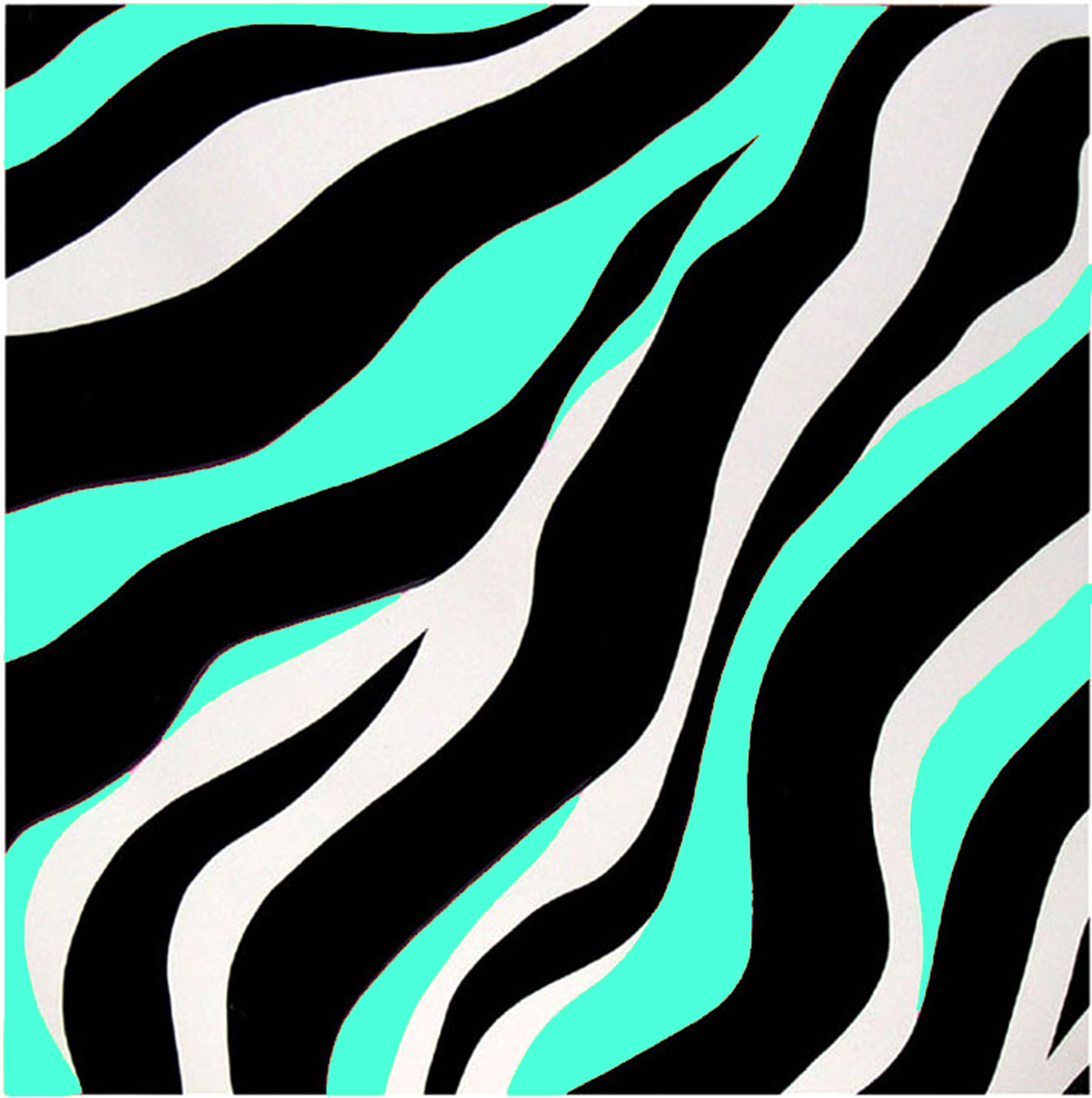
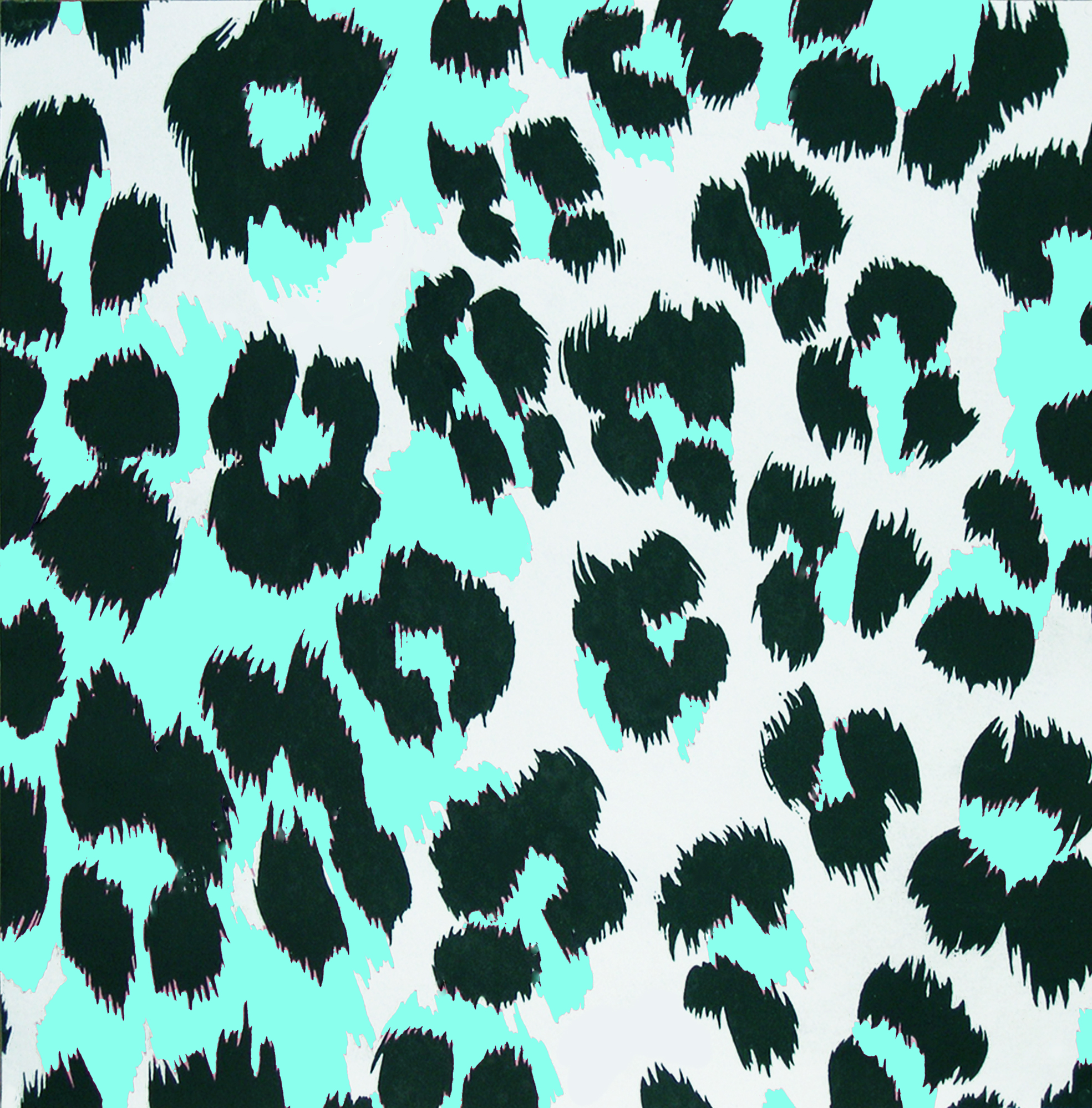
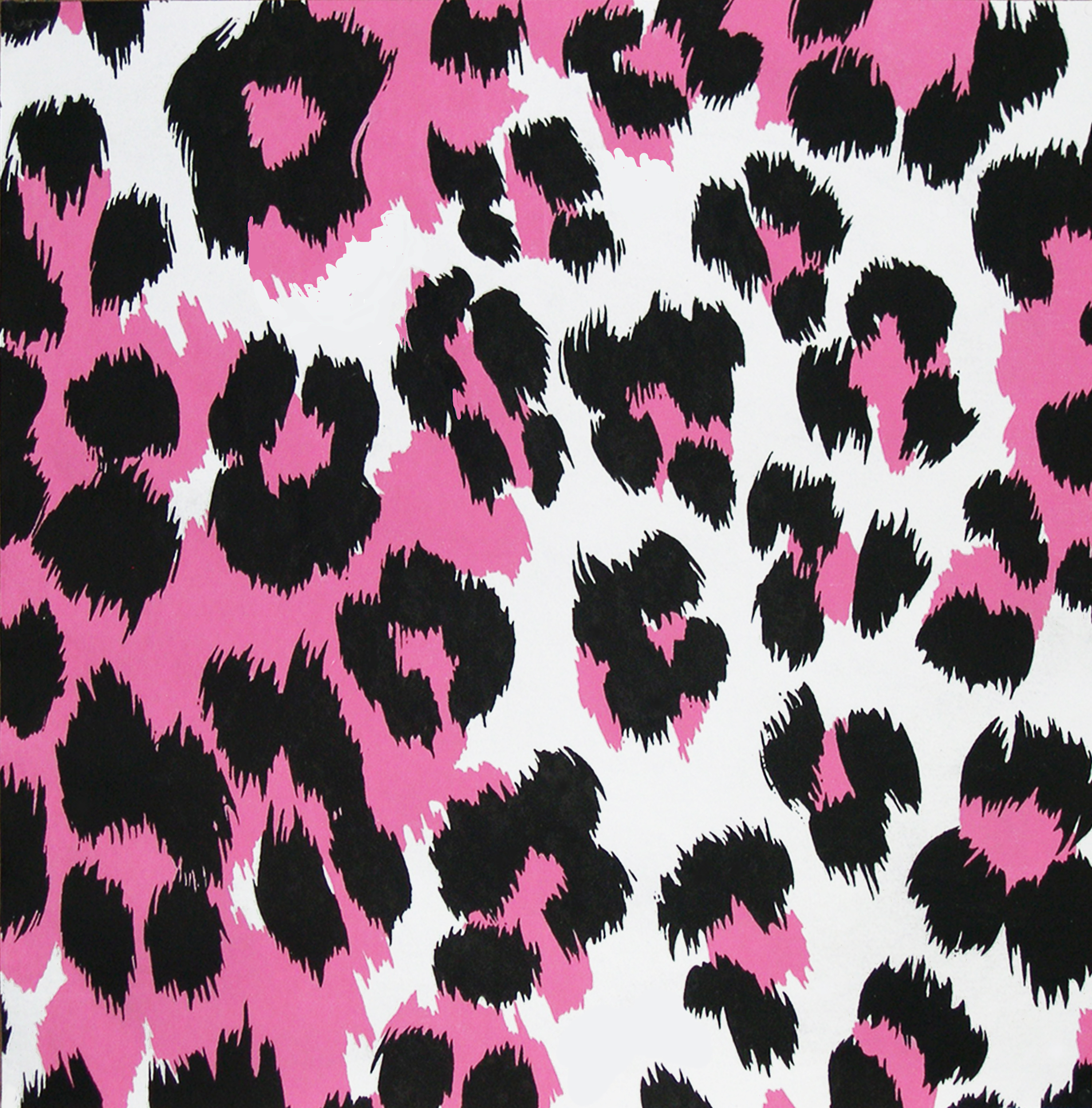
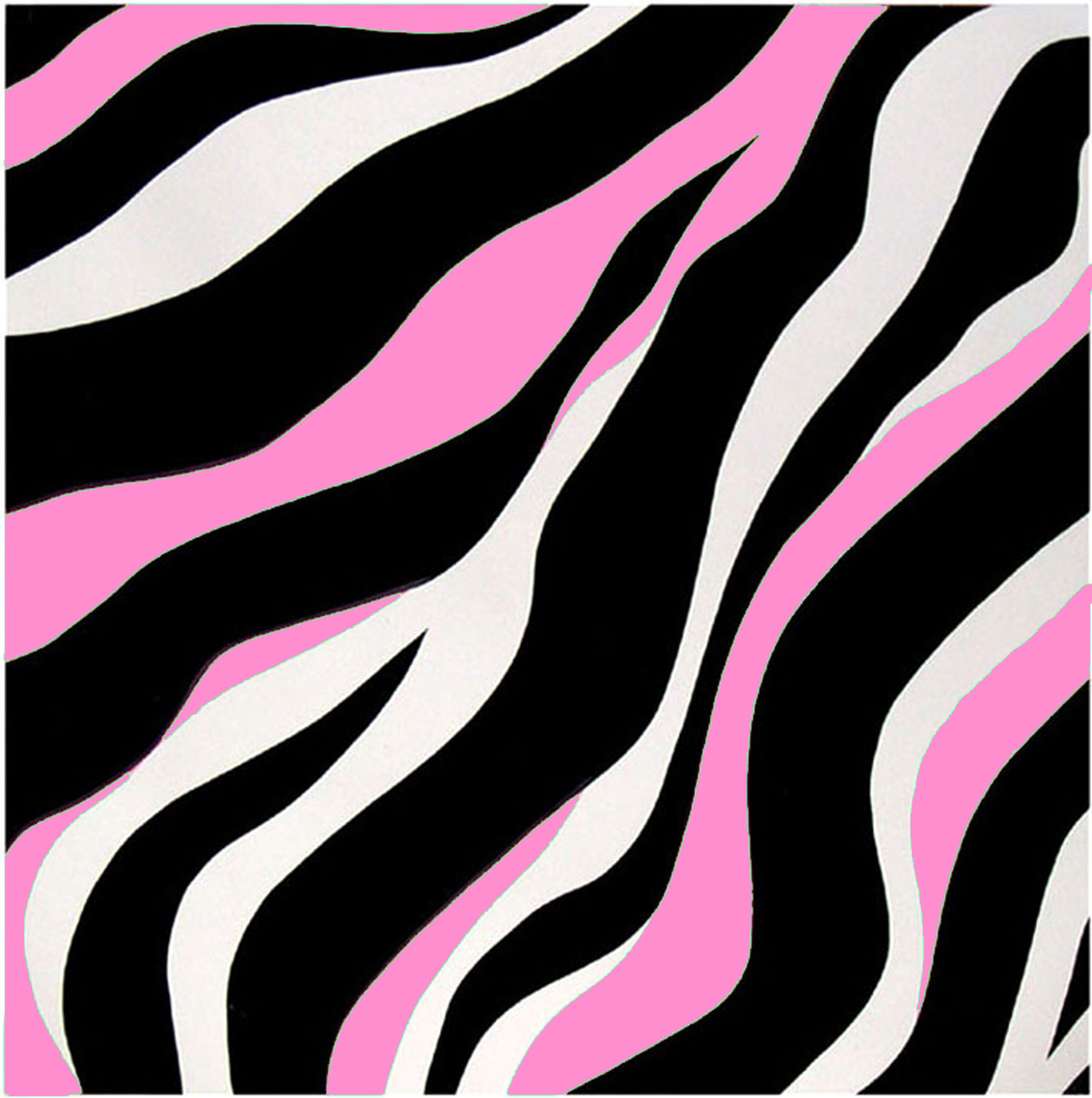
“Well lets say drawing was a way of life back then – with drawing, ideas evolve at a faster rate and everything looks sharper, clearer. ….. In the print studio, things can be as bright and richly coloured as you want. Molly had designed and printed a Zebra stripe in 1968 as a black and white furnishing textile and covered a chair from a junk shop – Molly looked beautiful in her wonderful chair – over the next week or so I made a drawing of her…. I thought we could make this chair in 20 colours – ‘product as Art’. But instead of chairs, a year later we made Leopard and Tiger prints in garish colours as an anti-fur trade protest.
In 1971 there was a real enthusiasm for coloured animal skin prints at our main outlet Paradise Garage, so Leopardskins became a central theme for many of our designs throughout the 70’s. We used a green Leopardskin lining in our so called iconic ‘Iggy Pop’s Jacket’. In ’69 our earliest coloured Leopard designs had been made to psychologically change the direction of the fashion industry for wearing real Leopardskins. We thought if we developed the so-called vulgar themes of Leopardskin and printed them in wonderful garish colours so they would cease to be synonymous with class, elegance and money, we could break the mould. (In the 50’s, fluorescent coloured socks in Pink, Green and Yellow were popular with teenagers – they were sent home from school if caught wearing these rebel colours). In the 70’s we think we achieved this for about 15 years.
You could make any garment in Leopardskin look great as long it was tight fitting – especially skin tight jeans. We came up with the name MODZART – a pun on modern art and the art of the modernists (Mods). Modzart Jeans gave our West -End boutique, “Kitsch-22″ a unique line of products that would sell in quantity. The Jeans outsold everything in the store so we closed the shop and made more jeans. We ran an ad campaign with Terry Jones on the back cover of his early ID Magazines. Terry collaborated with us to design the cover using one of our primary colours so the printed image could be spread across the entire cover…..nice! Soon copycat junction ripped off our designs and made copies of our jeans with the slave labour of the third world. About 30 companies around the world, including money-launderers, undercut our tight margins and poached our market. Fluorescent Coloured Leopardskin jeans and t-shirts dominated Punk fashion around the world. By the end of ‘77 we were producing printed Jeans in 10 designs and T-shirts in the same prints all printed and made in our own workshop.The fashion element of rare Leopardskin had been transformed by a different kind of beauty. Can’t say if millions of wild coloured jeans and T-shirts helped to save the Leopard – or the Tiger, but in 1971 it was a first in that we created the Iggy Pop Jacket and a fashion genre for the legs that’s gone down in history both in the art-world as well as in the world of fashion – wild as a Leopard and whackier than a Warhol!”
Respect where due ….The Leopard is a beautiful individual animal with a prolific and widespread lifestyle which takes it to the extremities of the Afro-Indian land-mass, beyond the middle east and over the Himalayas into China and Russia. It’s the symbol of the loner – independent and resourceful, a surviver in the wild through it’s strength, speed and cunning. The Leopard is the most successful predator in the world. Leopardskin can been found in England since the 18th century, earlier than any other western country.
For hundreds of years British hunters in Africa and Asia killed the Leopard for it’s beautiful skin. Leopard prints have always been synonymous with elegance and high class fashion – sadly, they would be fetching higher and higher prices on the world fur trade market. By the late 60’s there was a growing interest in Leopard skins and it became widely known that the Leopard would face extinction within a decade.
In the 30s and 40s, the Leopardskin was characterised by some of the most famous actresses of all time – Joan Crawford, Carole Lombard, Rita Hayworth, Bette Davis and Josephine Baker (who had a pet leopard named Chiquita). These glamour girls were the ‘Wild Things’ of early cinema. Later in the 50’s a sexier style with Bettie Page and Jayne Mansfield recognised the glamour and wild elegance of Leopardskin that had been established by the 30’s Hollywood beauties and made it their own.
In 1979, the real Leopard skins returned to the cinema in “Zulu Dawn”. A couple of years ago, conservation biologist Tristan Dickerson tried to convince Zulu leaders to encourage them to abandon the use of real leopard fur. The group, also know as Shembe, has 5.6 million members. If Dickerson succeeds in pushing fake pelts, it will also halt the declining population of the endangered Leopard. Recently the tiger has also suffered the most concentrated destruction of it’s species in history where the question of extinction has been discussed at length in the world media.